
Why Pipes Burst in Green Bay
A burst pipe in Green Bay is usually a frozen pipe. Water inside the pipe freezes, expands, and splits the pipe, and the flood starts when it thaws. Three things come together in Green Bay to make this a regular winter problem: genuinely cold winters, old housing, and pipe runs that sit where cold air can reach them.
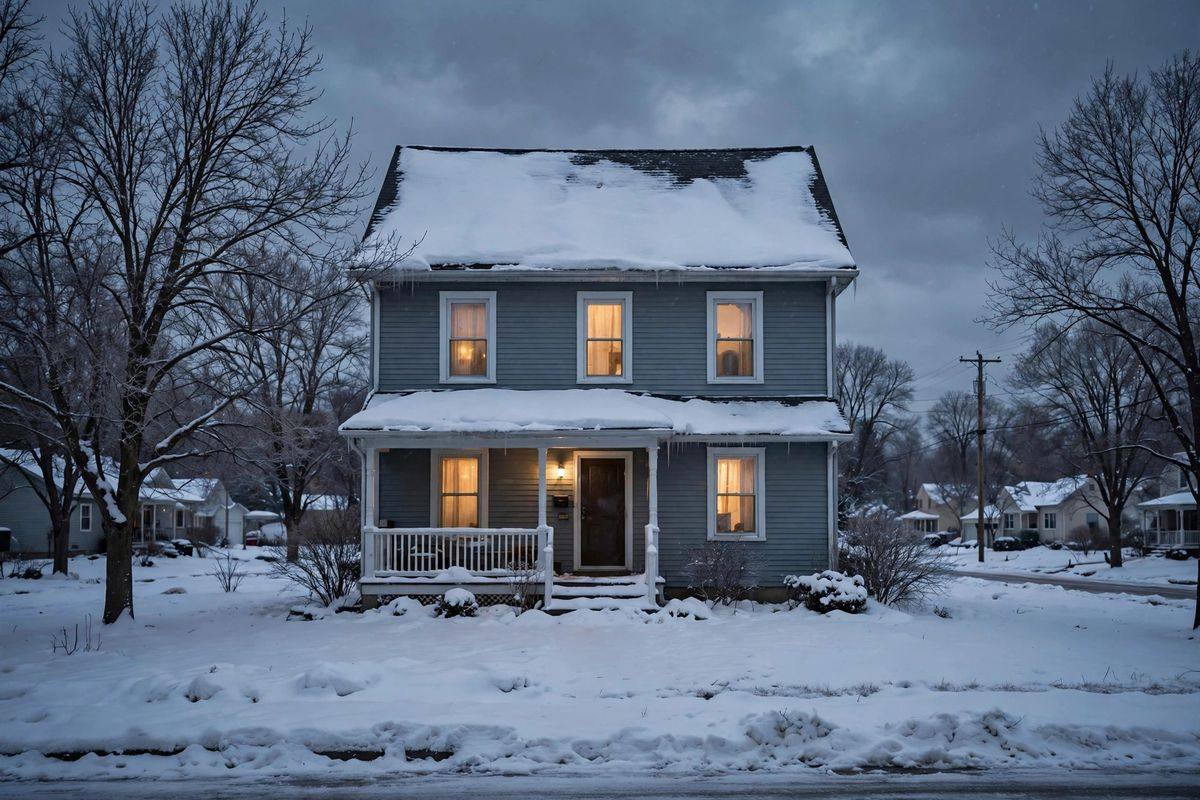
Green Bay is cold enough, for long enough
Green Bay’s climate normals, based on 1991 to 2020, tell the story. The annual average temperature is 45.7°F. In January, the average high is 25.5°F, the average low is 11.1°F, and the mean is 18.3°F. The record low is −36°F, set on 21 January 1888, and the record high is 104°F, set on 13 July 1936. The weather station has been at Austin Straubel International Airport since 16 August 1949. Cold in Green Bay is not a one-night event: in January 2025 a cold spell from the 19th to the 22nd brought an extreme cold warning for Northeast Wisconsin, with wind chills around −35°F. Frost in this part of Wisconsin can run deep, and a sustained cold spell can freeze pipes that survived milder winters.
Green Bay housing is old
The median Green Bay home was built in 1971. About 13.7 percent of homes were built before 1940, and another 6.4 percent by 1949. Across Brown County, 69.1 percent of the housing stock was built before 1990. Older homes often still have original pipe runs, additions that were never fully insulated, and supply lines over garages or along outside walls. Homes in the older east-side neighborhoods, such as Astor, Navarino, and Olde North, have exactly these features.
Where pipes freeze
Pipes freeze most often in unheated interior spaces such as attics, basements, garages, and crawl spaces; in pipes running against exterior walls with little or no insulation; at outdoor hose bibbs; and in pipes inside cabinets on exterior walls. A pipe does not need to be outside to freeze: an unheated garage or a cabinet on an outside wall can be cold enough on a long cold night.
How freezing becomes bursting
When water freezes it expands. Inside a closed pipe, that expansion raises the pressure until the pipe cracks or bursts. The ice itself can block the leak, so a burst pipe often only starts leaking when the ice thaws and water flows through the crack. That is why a pipe that froze overnight may only start flooding the next day, and why a faucet that was frozen and then starts running again should be watched for leaks.
What reduces the risk
Keep the thermostat at 55 degrees or higher, day and night, even when you are away. Open cabinet doors under sinks on outside walls, let a faucet drip during very cold weather, and insulate pipes in crawl spaces, attics, garages, and basements. Disconnect garden hoses and drain outside faucets before winter. Our article on how to prevent frozen pipes in Green Bay covers each step, and our pipe insulation and freeze protection page explains the insulation side.
If a pipe has already burst, turn off the main water supply first and call. frozen pipe repair in the Green Bay area through our referral service connects you with an independent local plumbing professional, and our burst pipe repair in Green Bay page explains what happens next.
Related reading
- What to Do If Your Pipes Freeze
- How to Prevent Frozen Pipes in Green Bay
- Burst Pipe Repair in Green Bay
Frequently asked questions
What temperature do pipes freeze at?
Water freezes at 32 degrees, but a pipe usually freezes when the air around it stays well below freezing for hours, especially overnight. In Green Bay, with a January average low of 11.1 degrees, that happens on many winter nights.
Why do old homes have more burst pipes?
Older homes often have original pipe runs, additions that were never fully insulated, and pipes in unheated spaces. In Green Bay the median home was built in 1971, and about 13.7 percent of homes were built before 1940, so this is common.
Why does a burst pipe only leak when it thaws?
The ice can block the crack while the pipe is frozen. Once the ice melts, water flows through the crack and the leak appears, sometimes a day after the coldest night.
Frozen or burst pipe? Call now.
Tell us what is happening and we will connect you with an independent local plumbing professional who serves your area.
Call Now: (920) 555-0147