
Frozen Pipe Repair in Green Bay, WI
A frozen pipe can leave a Green Bay home with no water at a tap, and a burst pipe can start flooding the moment it thaws. If your pipes have frozen or burst, call now and we will connect you with an independent local plumbing professional who serves your area.
A referral service connecting Green Bay callers with independent local plumbing professionals. Calls may be recorded.
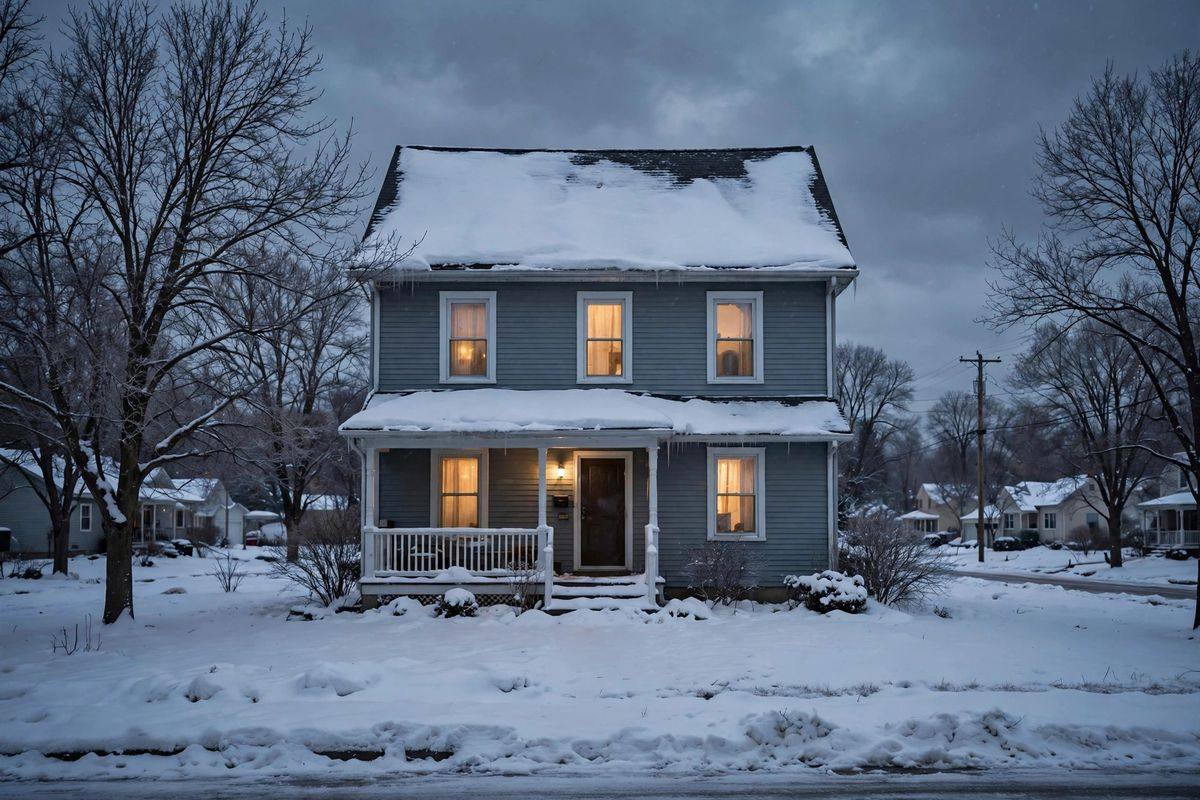
Frozen or burst pipe? Get connected to local help
Frozen pipe repair in Green Bay, WI starts with finding the frozen section, thawing it safely, and checking for splits before water starts flowing again. A pipe usually freezes where it is exposed to cold air: against an outside wall, in a crawl space, attic, or garage, inside a cabinet on an exterior wall, or at an outdoor faucet. When the water inside a pipe freezes, it expands and pressure builds until the pipe cracks or bursts. The leak often only shows up when the pipe thaws.
Green Bay is a cold city. January normals run to an average low of 11.1°F, and the city has recorded temperatures as low as −36°F. In January 2025, a cold spell from the 19th to the 22nd brought an extreme cold warning for Northeast Wisconsin, with wind chills around −35°F. Many Green Bay homes are old — the median home was built in 1971, and about 13.7 percent of homes were built before 1940 — so older pipe runs, uninsulated exterior walls, and unheated spaces are common. That combination is why frozen and burst pipes are a regular winter problem here, and why emergency frozen pipe thawing in Green Bay is the first call many homeowners make on a cold morning.
Our service covers the problem, not the plumbing itself. Green Bay Frozen Pipe Repair is a referral service: we do not send our own technicians and we do not perform the work. When you call, we connect you with an independent local plumbing professional who serves Green Bay and the surrounding communities and may be able to help with your specific situation.
Frozen pipe services in Green Bay
We connect callers with independent local professionals for the frozen pipe services Green Bay homeowners ask for most. Choose a service to learn what it involves and when it is needed.
Emergency Frozen Pipe Thawing
A faucet that only trickles, or nothing at all, on a cold morning. Safe, controlled thawing of the frozen section and a check for splits before water flows again.
Burst Pipe Repair
A pipe that has split after freezing. First step is always to shut off the main water supply, then get a local professional to the home to stop the water and replace the damaged section.
Frozen Pipe Detection & Location
No water at one tap, low pressure, or a pipe you cannot find. Help finding the frozen section in walls, crawl spaces, attics, and garages.
Pipe Insulation & Freeze Protection
Insulation for exposed pipes in unheated areas, so the next cold snap is less likely to freeze them in the first place.
Pipe Winterization
Fall preparation before the first deep freeze: disconnecting hoses, draining outside faucets, and protecting exposed runs.
Hose Bibb & Outdoor Faucet Repair
Outdoor faucets that froze over winter, and frost-proof replacements. A hose left attached can stop a faucet from draining and cause it to burst.
Pipe Replacement (Copper & PEX)
Replacing a split or repeatedly freezing section of pipe, including copper and PEX, so the repair lasts beyond one winter.
Other frozen pipe help we can connect you with includes heat tape and heat cable installation, protection for pipes in crawl spaces, attics, and garages, frozen drain and sewer line thawing, a leak check after a pipe thaws, and main shut-off valve help. Ask about any of these when you call.
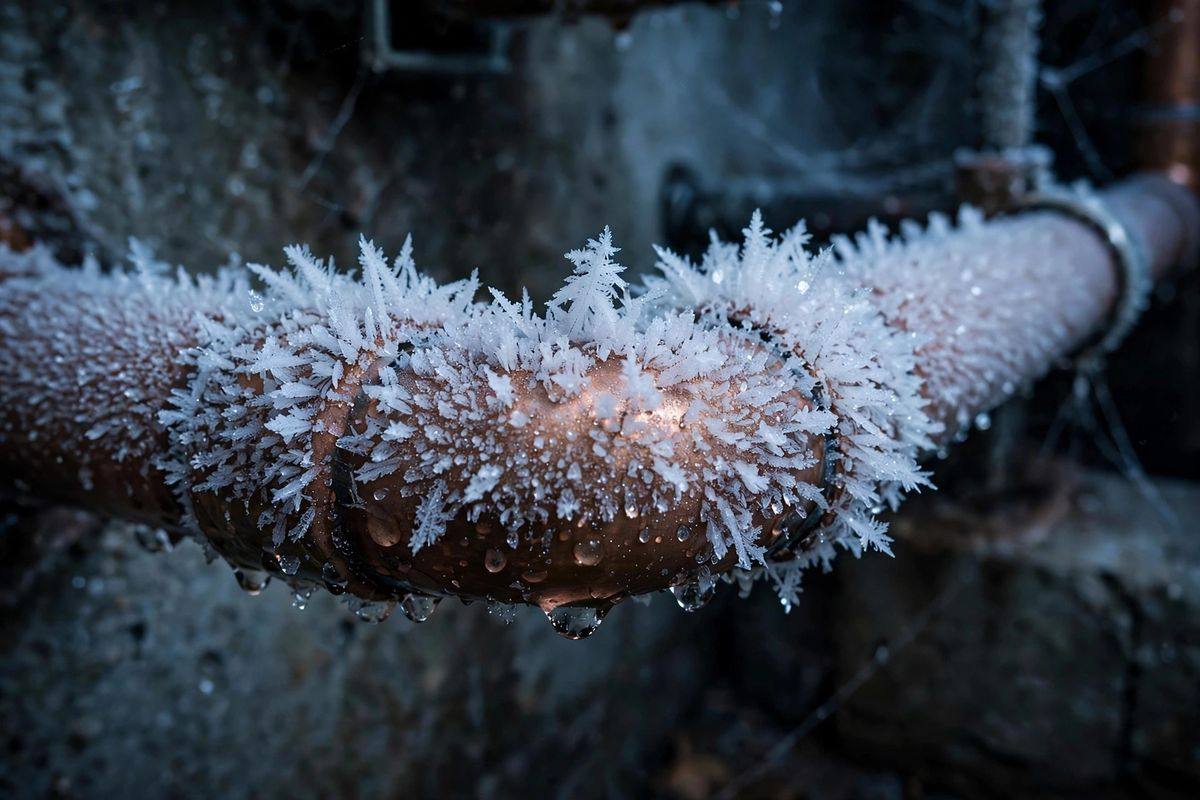
Why pipes burst in Green Bay
Three things come together here: real cold, old housing, and exposed pipe runs. The average January low in Green Bay is 11.1°F, the average annual temperature is 45.7°F, and the record low is −36°F, set on 21 January 1888. Frost in this part of Wisconsin can run deep, and a long cold spell can freeze pipes that survived milder winters. Brown County housing is old — about 69.1 percent of the housing stock was built before 1990, and the median Green Bay home dates to 1971.
Pipes freeze most often in unheated interior spaces such as attics, basements, garages, and crawl spaces; in pipes running against exterior walls with little or no insulation; at outdoor hose bibbs; and in pipes inside cabinets on exterior walls. Homes in the older east-side neighborhoods, including Astor, Navarino, and Olde North, often have exactly these features: older pipe runs, additions that were never fully insulated, and supply lines over garages or along outside walls.
Common frozen pipe problems — and what helps
- No water at a tap during a cold snap. A frozen pipe is the likely cause. Keep the faucet open, check other taps, and call for help finding and thawing the frozen section.
- A trickle instead of normal flow. Ice is narrowing the pipe. Gentle heat may help on an accessible pipe, but never use an open flame.
- Water appearing when a pipe thaws. The pipe probably split while frozen. Shut off the main water supply right away and call. This is a burst pipe repair in Green Bay situation.
- An outdoor faucet that leaks in spring. A frost-free hose bibb that froze in winter often shows up as a new leak the first time it is used in spring. See hose bibb and outdoor faucet repair in Green Bay.
- The same pipe freezing every winter. Insulation, rerouting, or replacement may be needed. Ask about pipe insulation and freeze protection or pipe replacement.
- Going away for the winter. Keep the heat at 55 degrees or higher, or have the plumbing system fully drained and the water shut off. If you are away for a longer period, ask someone to check that the heat is running.
How our referral service works
We are a referral service, not a plumbing company. Here is what happens when you call:
- You call and describe the problem. Tell us what is happening — no water at a tap, a pipe that burst, a leak after a thaw — and where the home is.
- We connect you with an independent local plumbing professional. We route your call to a local professional who serves your area in Green Bay or the surrounding communities.
- The professional helps you directly. That professional handles the visit, the assessment, and any quote or work. Any arrangement for the work is between you and the professional.
Some providers we connect callers with are licensed professionals with extensive industry experience, but we do not claim that every provider holds a particular credential, and we do not present any provider’s experience as our own. Read more about our referral service and what to expect when you call.
What to do right now if your pipes are frozen
If a faucet gives only a trickle or nothing at all, suspect a frozen pipe. Keep the faucet open, because running water helps melt the ice as it thaws, and check other faucets to see if more pipes are frozen. You can try gentle heat on a pipe you can reach, such as an electric heating pad, a hair dryer, a portable space heater kept away from flammable materials, or towels soaked in hot water. Never use a blowtorch, kerosene or propane heater, charcoal stove, or any open flame. If the pipe is burst, turn off the water supply first, and turn off electricity if the leak is near outlets or an electrical panel. If you cannot find the frozen area, cannot reach it, or cannot thaw it, call and we will connect you with a local plumbing professional. Full guidance is on our emergency frozen pipe thawing page.
If the problem seems to be with the water service itself rather than the pipes inside your home, Green Bay Water publishes frozen-pipe guidance and can be reached on its main line at (920) 448-3480, or (920) 448-3483 for emergency and water-quality concerns. See Green Bay Water’s frozen pipes page for its prevention tips.
Service area: Green Bay and nearby communities
We serve Green Bay, Wisconsin, and the surrounding communities of De Pere, Ashwaubenon, Howard, Allouez, Bellevue, and Suamico. Within Green Bay, callers come from neighborhoods across the city, including the older east-side neighborhoods of Astor, Navarino, Olde North, Astor East River, and Olde Norwood, where older homes and exposed pipe runs make frozen pipes a regular winter problem. If your community is not listed, call and we will check whether a local professional serves your area.
Preventing frozen pipes in Green Bay
A few habits make a real difference before the cold arrives: keep the thermostat at 55 degrees or higher day and night, even when you are away; open cabinet doors under kitchen and bathroom sinks on outside walls so warm air reaches the pipes; let a faucet drip during very cold weather; disconnect garden hoses and drain and shut off outside faucets before winter; insulate pipes in crawl spaces, attics, garages, and basements; seal cracks and holes in outside walls and foundations near pipes; and keep garage doors closed if water lines run through the garage. Use only UL-listed heat tape, installed exactly as the manufacturer directs, and never use heat tape on a pipe that is already frozen or if the tape is damaged or frayed. Our pipe winterization and pipe insulation pages explain each of these steps in more detail.
Frequently asked questions about frozen pipe repair in Green Bay
What should I do first if a pipe bursts in my Green Bay home?
Turn off your main water supply first. The main shut-off valve is usually near the water meter, often in the basement or near the water heater. If water is leaking near outlets or an electrical panel, turn off the electricity to that area as well. Then call us and we will connect you with an independent local plumbing professional.
How do I know if a pipe is frozen?
The most common sign is turning on a faucet and getting only a trickle of water, or nothing at all. Check other faucets in the house as well, because more than one pipe can freeze. A frozen pipe can split as it thaws, so do not ignore a tap that has stopped working during a cold spell.
Can I thaw a frozen pipe myself?
You can try gentle heat on an accessible pipe, such as an electric heating pad, a hair dryer, or towels soaked in hot water, with the faucet open so water can flow as the ice melts. Never use a blowtorch, a kerosene or propane heater, a charcoal stove, or any open flame, because of the fire risk. If you cannot find the frozen section, cannot reach it, or cannot thaw it, call and we will connect you with a local plumbing professional.
What happens when I call Green Bay Frozen Pipe Repair?
We are a referral service, not a plumbing company. When you call, we take a few details about the problem and your location, then connect you with an independent local plumbing professional who serves your area and may be able to help. That professional handles the visit, the work, and any quote for the work. Calls may be recorded.
Which areas do you serve?
We connect callers with independent local plumbing professionals across Green Bay, Wisconsin, including De Pere, Ashwaubenon, Howard, Allouez, Bellevue, and Suamico, and neighborhoods such as Astor, Navarino, Olde North, Astor East River, and Olde Norwood.
How can I keep my pipes from freezing?
Keep the heat on and the thermostat at 55 degrees or higher, even when you are away. Open cabinet doors under sinks on outside walls, let a faucet drip during very cold weather, disconnect garden hoses and drain outside faucets before winter, and insulate pipes in crawl spaces, attics, garages, and basements. Green Bay Water also publishes frozen-pipe guidance for local homeowners.
Frozen pipe in Green Bay? Call now.
Tell us what is happening and where the home is, and we will connect you with an independent local plumbing professional who serves your area.
Call Now: (920) 555-0147