
Burst Pipe Repair in Green Bay, WI
A burst pipe in Green Bay is usually a frozen pipe. Water inside the pipe freezes, expands, and splits the pipe, and the flood starts when it thaws. If a pipe has burst in your home, the first step is always to shut off the main water supply. Then call us and we will connect you with an independent local plumbing professional who serves your area.
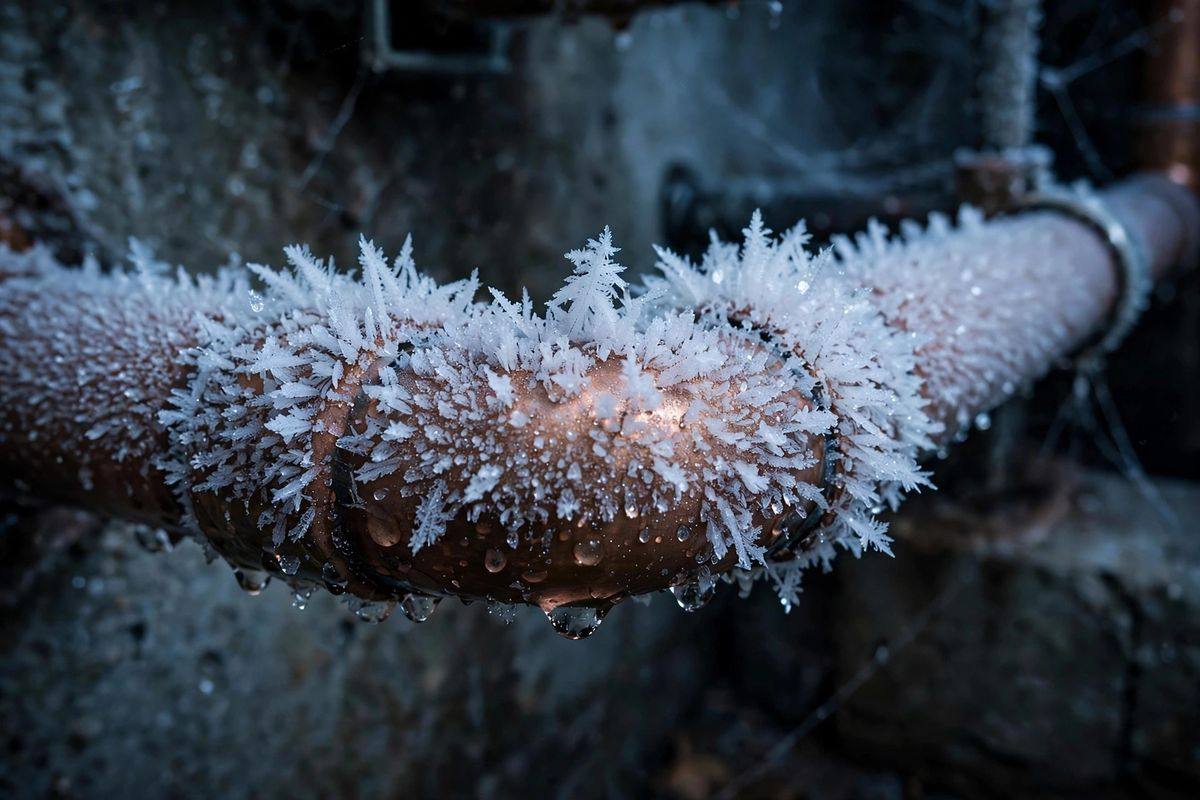
What burst pipe repair involves
Repair starts by stopping the water. The main shut-off valve is usually near the water meter, often in the basement or near the water heater, and it may also be in a crawl space, utility room, or closet. Once the water is off, the professional finds the split, opens up the area if the pipe is inside a wall, cuts out the damaged section, and splices in new pipe. Depending on the home, that may be copper or PEX. If water has spread, drying and cleanup are a separate restoration job, not plumbing, and are not part of the pipe repair itself.
Homeowners insurance often covers sudden, accidental water damage from a burst pipe, such as damaged flooring or drywall, but the pipe repair itself is usually not covered, and a claim may not be covered if the heat was turned off while the home was empty or if a known leak was ignored. Check your own policy and document the damage. We cannot advise on any individual claim.
Signs a pipe has burst
- Water leaking from a wall, ceiling, or floor, especially as the weather warms after a cold spell.
- A sudden drop in water pressure, or water that was frozen and then starts flowing with a leak.
- Damp patches, staining, or a musty smell appearing after a freeze.
- A faucet that was frozen and now runs, but water is appearing somewhere it should not.
What to do right now
Turn off the main water supply. If the leak is near outlets or an electrical panel, turn off the electricity to that area. Move belongings away from the water if it is safe to do so, and take photos of the damage for your records. Then call. local frozen pipe repair in Green Bay through our referral service means we connect you with an independent local plumbing professional, who handles the visit and the repair.
Why pipes burst in Green Bay
January in Green Bay averages a low of 11.1°F, and the city’s record low is −36°F. Pipes in unheated spaces — attics, basements, garages, crawl spaces — and pipes against exterior walls with little or no insulation are the most exposed. Much of Green Bay’s housing is old: the median home was built in 1971, and about 13.7 percent of homes were built before 1940. Older homes in neighborhoods such as Astor and Navarino often have pipe runs that were never insulated to modern standards. If the same pipe has frozen before, ask about pipe insulation and freeze protection or pipe replacement once the burst is repaired.
Frequently asked questions
What is the first thing to do if a pipe bursts?
Turn off the main water supply right away. The shut-off valve is usually near the water meter, often in the basement or near the water heater. If water is leaking near outlets or an electrical panel, turn off the electricity to that area too, then call for help.
Why does a burst pipe only leak when it thaws?
When water freezes it expands and can crack the pipe, but the ice itself can block the leak. Once the ice melts, water flows through the crack. That is why a pipe that froze overnight may only start leaking the next day.
Does homeowners insurance cover a burst pipe?
Sudden, accidental water damage from a burst pipe is often covered, but the pipe repair itself usually is not. Coverage depends on the policy, and claims may not be covered if the heat was turned off while the home was empty or if a known problem was ignored. Document the damage and contact your insurer. Our guide to homeowners insurance and frozen pipes explains the exclusions in more detail.
Need help with a frozen or burst pipe?
Call now and we will connect you with an independent local plumbing professional serving Green Bay and nearby communities.
Call Now: (920) 555-0147